There have been considerable improvements that have taken place in terms of assisting veterans from the armed forces of the country, as Australia has successfully incorporated a modern approach to healthcare solutions coupled with immense respect for the sacrifices of veterans. Modern veteran care does not simply focus on physical healing; it takes into account emotional health and social inclusion of veterans as well. The points below provide an insight into the way veteran care is being provided in Australia with the help of innovation and compassion.
Holistic Healthcare Is Becoming the Standard
The treatment process for veterans has changed from concentrating on physical recovery only to taking into account all aspects of veterans’ wellbeing. It is understood nowadays that veterans’ experience may affect not only physical but also emotional condition, relationships with people, as well as everyday activities. Thus, treatment programs usually include collaboration of many specialists such as doctors, physiotherapists, occupational therapists, nutritionists, and social workers.
The above-mentioned approach helps increase the level of coordinated treatment and makes sure that the needs of each veteran are taken into account. Instead of concentrating on separate aspects, it helps achieve the goals of gaining independence, increasing mobility, and full participation in the lives of their families and community.
Technology Is Expanding Access to Quality Care
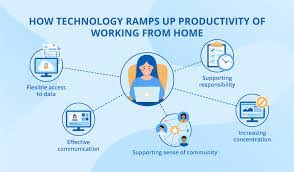
The development of digital technologies has led to improved provision of medical care to veterans, especially those who reside in regional and remote locations. Through telehealth appointments, electronic medical files, and remote health monitoring, veterans have become able to engage with healthcare providers without requiring significant travel time. Such solutions increase convenience and reduce disruptions in treatment due to delays.
Moreover, technology can be applied for the rehabilitation process through the use of online exercises, tracking of recovery via wearable technology and apps promoting a healthy lifestyle. The use of technology in communication allows healthcare professionals to better monitor the progress and adjust treatment programs if required.
Mental Health Support Is a Central Priority
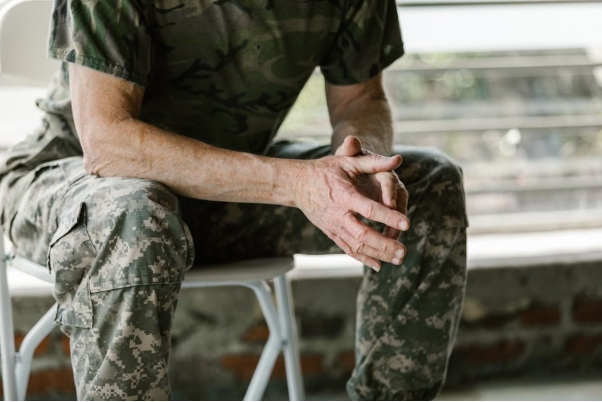
Mental well-being is increasingly becoming an important part of taking care of veterans since more people have become aware of the mental health issues that result from being in the military. There could be anxiety disorders, depression, PTSD, and adjustment problems, among other things. Early interventions, counselling, peer support initiatives, and even psychiatry services all help improve the quality of life for veterans.
For instance, the experts at Soul Medicine VAR offer veteran-led psychiatric care for veterans seeking support from professionals who understand military culture and the unique experiences associated with service. This combination of clinical expertise and lived experience helps create an environment where veterans feel understood, respected, and encouraged throughout their recovery journey.
Community Connections Strengthen Recovery
Effective care for veterans involves more than simply taking them to hospitals and clinics because it involves ensuring that they establish social connections. Veteran groups, sports activities, education, and volunteerism can all assist in establishing social circles for veterans that not only minimise feelings of loneliness but also boost confidence and a sense of purpose among the veterans.
It is also essential to consider family members since they have an important role in assisting veterans in recovering from their conditions. Through education, caregivers can be empowered to learn about the problems that veterans may have so that they can encourage them more effectively.
Ongoing Innovation Is Shaping the Future
More research into various aspects of Australia’s veteran health care system will help bring improvements there. There is ongoing research of better ways to rehabilitate veterans, ease their pain, and use the best assistive technologies and personalised medicine. Moreover, there is research into the potential uses of statistics and data analysis for healthcare planning purposes.
The collaboration between different branches of the government, health care professionals, veterans’ organisations, and researchers promotes ongoing improvements in the sector. By constantly reviewing results and employing best practices, Australia is creating a system which will be able to provide health care to veterans at all stages of their lives.
Veterans’ care in Australia demonstrates a perfect blend of innovative ideas and compassion. The holistic approach to health care, advances in technology, mental health programs, community involvement, and research contribute to positive results in relation to former servicemen. Further development of such practices will lead to individualised treatment that takes into account both the military experience and the future civilian life of veterans.