The thrilling process of designing and constructing a home gives you the chance to design a living area that suits your tastes, way of life, and long-term objectives. Building a new home gives homeowners more control over every element of the design, from the layout and materials to energy-efficient features and interior finishes, as opposed to buying an existing property. To guarantee a successful result, the procedure also calls for meticulous planning, budgeting, and coordination. Reducing uncertainty and improving enjoyment can be achieved by knowing what to anticipate at each stage. For the greatest outcomes, preparation and understanding are crucial, whether you are building your first house or designing a unique home for your family.
Budget and Vision Planning
Setting a reasonable budget and identifying your objectives are the first steps in any home-building process. Homeowners should think about how they want to utilize the property, how much room they need, and which characteristics are most important to their everyday lives before starting any design work. Now is the moment to consider the number of bedrooms, living rooms, outside areas, and potential future needs as conditions change. Planning a budget is equally crucial. The location, materials, site conditions, and intricacy of the design can all affect construction costs. Decision-making during the project is guided by the establishment of a defined financial framework. Including a contingency reserve to cover unforeseen costs that might occur during construction is also prudent.
Getting Around the Design Process
The design phase starts when the budget and objectives are set. In order to turn concepts into comprehensive plans, homeowners collaborate with designers, architects, or construction experts during this phase. To guarantee that the final plans satisfy both functional and aesthetic needs, the design process frequently entails numerous consultations, changes, and debates. The design is greatly influenced by elements including site orientation, natural lighting, energy efficiency, and local construction codes. Open-plan designs, adaptable living areas, and environmentally friendly elements that lower operating costs and promote long-term comfort are becoming more and more important to modern homeowners.
Comprehending Regulations and Approvals
Complying with several rules and approval procedures is necessary when building a house. Before construction can start, permits and inspections may be necessary, depending on the project’s location and scale. These regulations are intended to guarantee that residences adhere to planning, safety, structural, and environmental standards. Sometimes the clearance process takes longer than anticipated, especially if more paperwork or changes are required. Homeowners should be ready for this phase and collaborate closely with experts who are familiar with local laws. Approvals can be streamlined, and needless delays can be avoided with careful preparation and comprehensive documentation.
Collaborating With Home Construction Experts
Many homeowners opt to collaborate with experts who can oversee a project’s design and construction stages. Because they streamline the process and offer invaluable experience from beginning to end, home building specialists are especially well-liked in New Zealand. Having a single point of contact who can handle planning, budgeting, design coordination, and construction management is beneficial to many people looking for versatile new home builders in NZ who know all about new construction techniques and ideas. This integrated strategy frequently decreases errors, lessens communication difficulties, and keeps projects on track.
The Building and Completion Phases
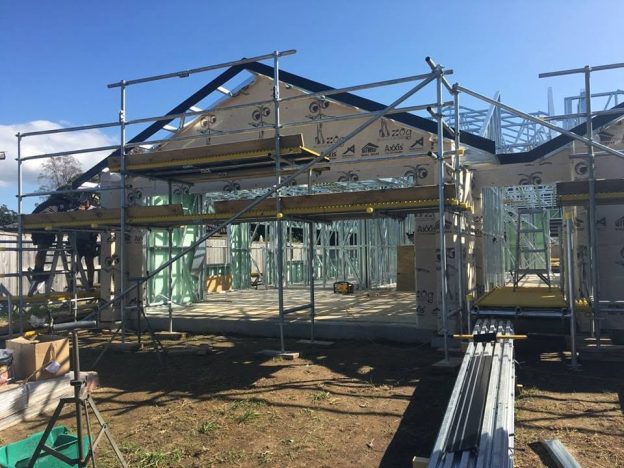
Construction can start as soon as drawings are finished and approvals are obtained. Before moving on to framing, roofing, exterior cladding, and interior systems like plumbing and electrical installations, this phase usually begins with site preparation and foundation work. Regular quality checks and inspections throughout construction assist in guaranteeing that the work satisfies necessary standards. Interior finishes, such as flooring, cabinetry, painting, lighting, and landscaping, come into focus as the building gets closer to completion. As homeowners start to see their vision come to reality, this stage frequently offers the most excitement. Even though little changes and choices might still need to be made, careful preparation in the early stages usually results in a more seamless and effective completion process.
In New Zealand, designing and constructing a home is a fulfilling experience that enables homeowners to develop a dwelling that is suited to their own requirements and goals. Homeowners may lessen stress, steer clear of typical problems, and relish the delight of moving into a house that embodies their vision, lifestyle, and long-term objectives by knowing what to anticipate and getting ready for each stage.