
Table of Contents
The Evolution of Wrestling on Television
From its inception, wrestling has been a part of the televised events that have been broadcast all over the world since the first days of television. Wrestlers who performed in small venues like church halls and warehouses evolved into major attractions on national television and could draw large spectators. During the 1950s and 1960s, television enabled local businesses to build up their talent base, developing local stars to encourage attendance at their live wrestling events. The 1980s marked a significant turning point for the sport when national audiences began to be exposed to wrestling through cable and pay-per-view television services. Individuals such as Vince McMahon played a key role in the evolution of the sport during this time, taking the concept of professional wrestling as a form of entertainment and turning it into a multi-billion dollar business.
The inaugural WrestleMania helped secure professional wrestling’s place in home viewing via cable networks, creating the first weekly product and linking so many fans across the U.S. This early success laid the groundwork for more programming and promotional opportunities on cable TV, enabling fans to connect with new products and each other as new innovations were introduced. Today, professional wrestling continues to grow through advances in technology and production quality and viewer engagement.
Why Wrestling Captivates Audiences
Professional wrestling is a blend of sport and story-telling that has maintained a large fan base over the years, for many reasons. The fans of wrestling can feel a strong emotional connection to the wrestlers, as the wrestlers portray both heroes and villains who are in conflict with one another. It is much like a television show, where the show’s characters are developed through a series of story arcs over time, which immediately develops an emotional connection to a viewer.
The physical aspect of professional wrestling is a key to drawing in fans as well as creating an environment where fans can become captivated by watching these performers perform physical feats while telling a story; such as strength, acrobatics, and near-fall situations. In essence, the fans of wrestling see a mix of drama, sports, and performance art. As such, there is a much wider audience who is able to connect with professional wrestling than is generally thought to be the case.
Wrestling Live Events and Audience Participation
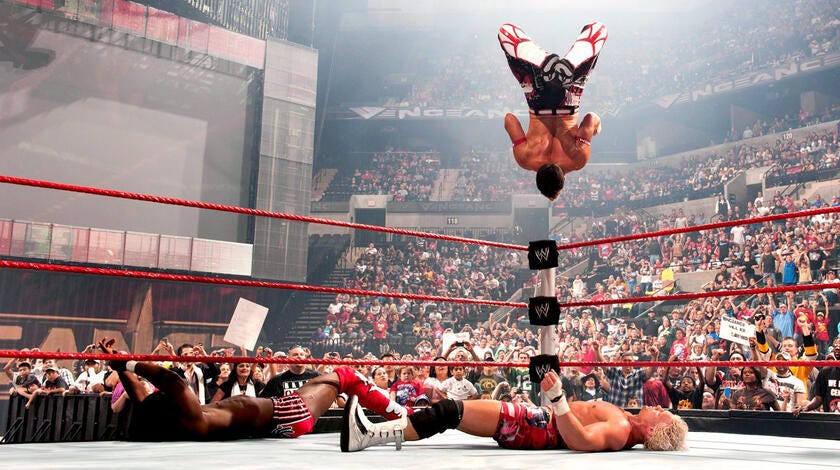
As an audience interacts live with an event, they enhance the enjoyment of the experience for those watching at home. The audience’s feedback to the artist becomes integral to the overall show. Reactions to excited audience chants and collective standing ovations or periods of stunned silence will significantly aid in building the story’s arc.
Additionally, the audience’s involvement creates a sense of community for both the performer and their audience. The performer receives real-time feedback from their audience on how to develop their character and how to progress their story. The impact of being part of a major event that includes large audiences creates lasting memories for the television viewers and their social media followers.
Understanding Wrestling’s Appeal Across Demographics
For many, wrestling is a legacy that connects to the family; it has been viewed by generations of people from all walks of life. Younger wrestling fans tend to admire wrestling based on the dual aspect of being both an athletic sport and a performance art or entertainment. However, older wrestling fans generally prefer the nostalgia factor, as well as the development of storylines throughout the years and the general evolution of the business over time. The North American region has the largest number of fans; however, there are many fans across the globe who participate in or are interested in this sport. With the availability of online streaming services to access live events worldwide, and the increase in the number of international wrestling events, wrestling has become accessible to a much wider viewership.
Ratings and Viewership Metrics
A historic viewership rating has impacted the way that wrestling is made and programmed. Wrestling leagues and broadcasting networks collect information on the viewership patterns to find which segments of their programming have the highest viewership numbers and build future programming based on the results. The shift to using streaming services and other methods of digital delivery of programming, has forced wrestling promoters to adopt new methods of determining their level of fan engagement. This includes, for example, looking at social media use rates and digital viewership numbers. Access to this type of information has allowed wrestling organisations to adapt their products and to respond to changes in viewer habits on television.
Challenges and Controversies in Wrestling Viewership
Similar to other forms of entertainment, wrestling has become the subject of a significant amount of controversy. The controversies surrounding wrestling are the result of two main elements: the extent to which portrayed characters are violent in nature and the extent to which there is violent content. Violence has become a topic of much controversy regarding young viewers and families. Due to these controversies, wrestling promoters have made changes to their content for the purpose of complying with parents; provided edited versions of their television programming; and have focused on increasing the amount of emphasis placed on safety and story-lines in an attempt to satisfy societal expectations and broadcaster guidelines.
The Future of Wrestling on Television
From television to the internet, wrestling has always changed with the times by creating new ways to keep the excitement alive. Recent trends in professional wrestling include an increase in digital integration of the sport and an increase in the use of mobile apps to create live streaming capabilities for fans to use to view wrestling events as they happen. Promotions are currently exploring the potential for cross-promoting their talent internationally, producing wrestling events in a cinematic fashion, and establishing relationships with the video game and e-sports industries to provide new outlets for fans to engage with wrestling; whether they are watching it live or on-demand.
Because of wrestling’s ability to change and adjust to its changing environment, wrestling will continue to be a major part of the television industry for many years to come. The combination of the continued evolution of broadcast technologies and the growth of the international wrestling fan base means that wrestling will continue to offer a unique entertainment experience that combines entertainment, drama, and athleticism, for people of all ages for many years to come.